
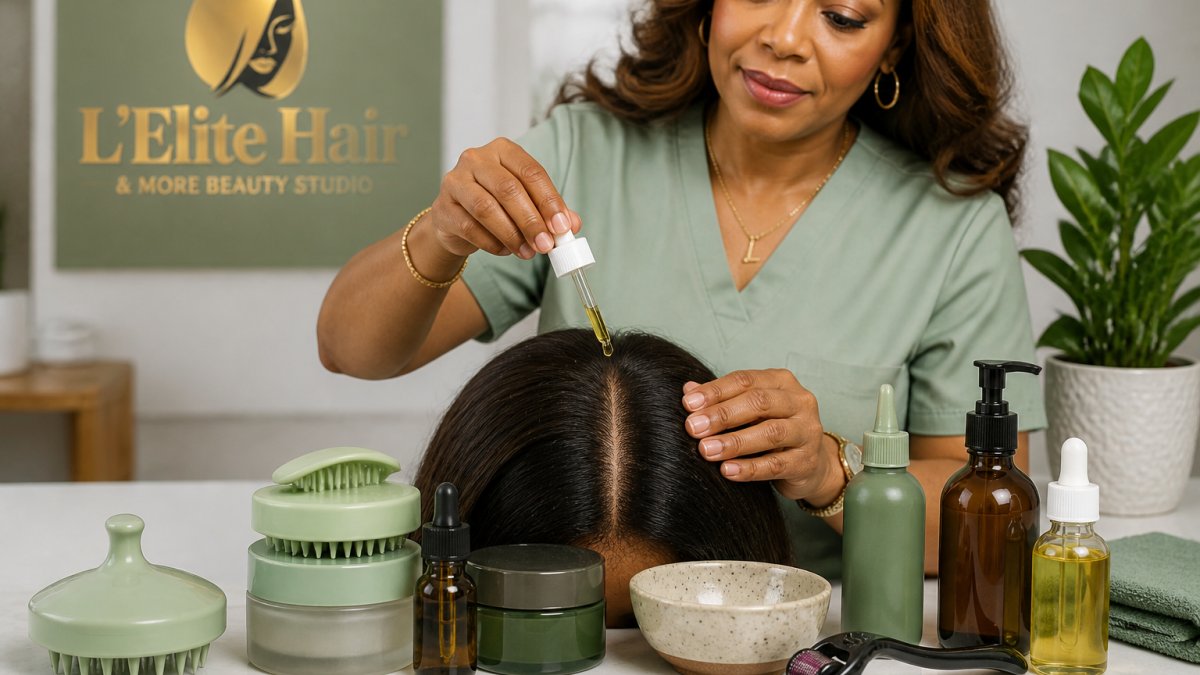
 listicle
5 Best Scalp Treatments for Hair Thinning in 2026
Table of Contents
- Why Hair Thinning Happens and What Scalp Treatments Can Do
- Quick Comparison: 5 Best Scalp Treatments for Hair Thinning
- 1. L'Elite Hair & More Beauty Studio: Microscopy Scalp Analysis and Custom Herbal Therapy
- 3. Nioxin Hair Fall Defense Serum: Lightweight Daily Defense
- 4. Moroccanoil Revitalizing Scalp Tonic: Botanical Scalp Balance
- 5. Nutrafol Hair Mask and iRestore Elite: Weekly Nourishment and Light Therapy
- Scalp Detox Benefits and Japanese Head Spa: Professional In-Studio Care
- Frequently Asked Questions
Last Updated: October 2, 2026
Why Hair Thinning Happens and What Scalp Treatments Can Do
Hair thinning rarely starts at the hair. It usually starts at the scalp. A 2023 review in StatPearls on androgenetic alopecia describes how follicle miniaturization, genetics, and inflammation all shape how much hair you keep. At L'Elite Hair & More Beauty Studio, we see the same pattern in consultations: clients arrive worried about shedding, but the real story is scalp condition.
Scalp treatments work on the environment where hair grows. They support scalp circulation, balance sebum, calm irritation, and in some cases stimulate follicles. They do not cure medical hair loss, and anyone with sudden or unexplained shedding should see a dermatologist.
Below, we compare 5 scalp treatments for hair thinning, from in-studio microscopy analysis to FDA-approved at-home options.
Quick Comparison: 5 Best Scalp Treatments for Hair Thinning
| Treatment | Type | Best For | Key Ingredient or Tech |
|---|---|---|---|
| L'Elite Hair & More Beauty Studio | In-studio | Personalized scalp wellness | Microscopy analysis, herbal therapy |
| Rogaine (Minoxidil) | At-home topical | Clinically proven regrowth | Minoxidil 2% or 5% |
| Nioxin Hair Fall Defense Serum | Leave-in serum | Breakage-related thinning | Niacinamide, caffeine |
| Moroccanoil Revitalizing Scalp Tonic | Daily tonic | Scalp balance and shedding | Argan oil, ginger root oil |
| Nutrafol Hair Mask + iRestore Elite | Weekly mask + device | Nourishment and light therapy | Plant actives, red light |
How to Choose the Right Treatment for Your Hair Type and Cause
If your thinning is diffuse and tied to styling, tight braids, frequent heat, chemical relaxers, or daily pulling, the cause is more likely mechanical or heat-related breakage.
If your scalp feels dry, tight, or flaky, the thinning may be tied to an unbalanced scalp environment rather than the follicle itself.
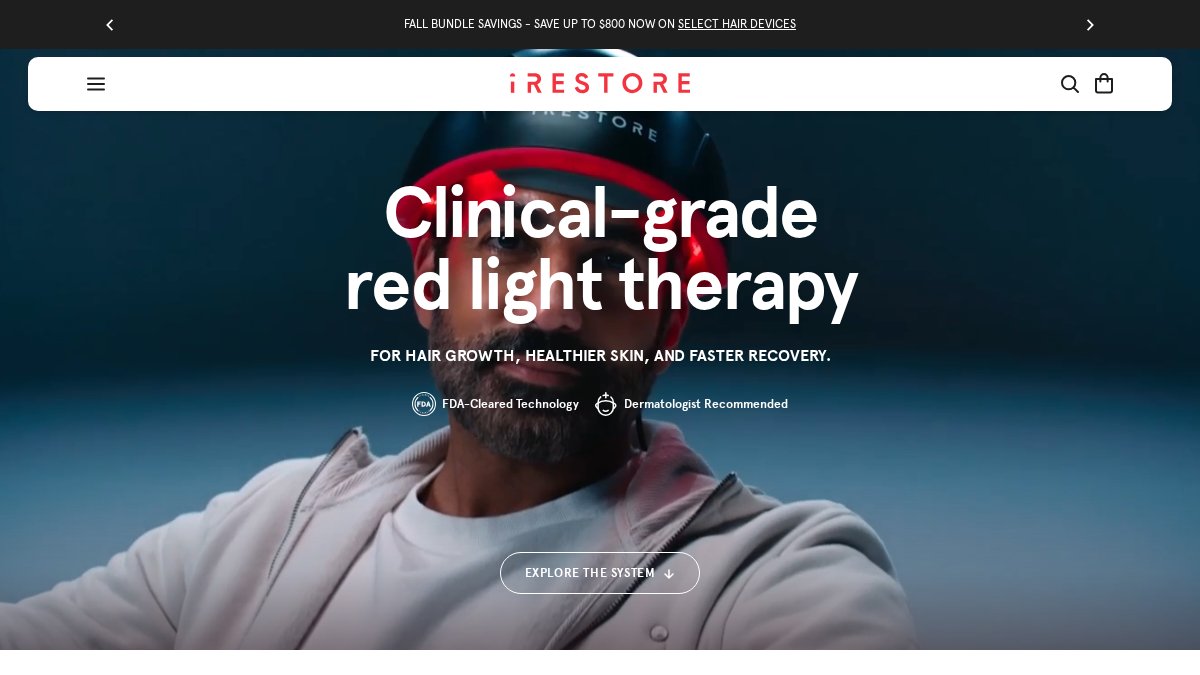
If you want a drug-free, technology-based option, low-level light therapy (LLLT) devices like the iRestore Elite are FDA-cleared for hair growth and can be used alongside topicals.
Matching Treatments to Hair Texture
Hair type affects how a treatment feels and how well it absorbs:
- Fine, straight hair: Lightweight serums and tonics absorb quickly and will not weigh hair down. Heavy oils and thick masks can flatten the root.
- Thick, coarse hair: A weekly mask and a richer tonic are easier to tolerate. Scalp buildup is also more common because product sits closer to the follicle opening.
- Curly and coily hair: Sebum does not travel down the hair shaft as easily, so the scalp can be dry while the ends are fine. A scalp-focused routine with a gentle detox and a leave-in serum works better than applying heavy product along the length.
- Color-treated or relaxed hair: Avoid exfoliating acids in the days around a chemical service. Space them out to protect the scalp barrier.
A Simple Way to Sequence Your Routine
Most practitioners find a layered routine works best in this order:
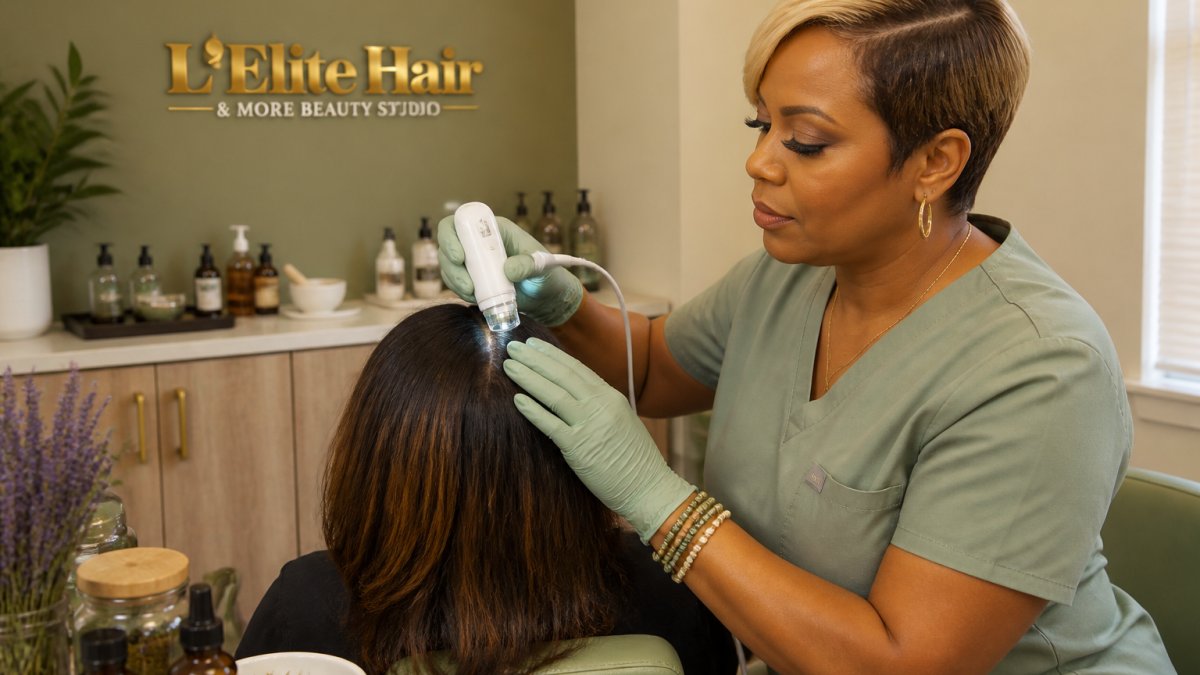
- Analyze first. Microscopy scalp analysis or a scalp wellness consultation identifies whether the issue is buildup, breakage, irritation, or a pattern needing a dermatologist's eye.
- Treat the cause. Minoxidil for hormonal pattern thinning; a serum or tonic for breakage and scalp balance; LLLT as an add-on.
- Support the scalp environment. Professional scalp detox or a Japanese Head Spa on a maintenance schedule, spaced away from minoxidil application days.
- Reassess. Hair cycles run in months, not weeks. Give any routine three to four months before judging results, and take photos under the same lighting to track change.
Safety and Side Effects to Know
- Minoxidil: Common side effects include scalp itching, flaking, and irritation. A temporary increase in shedding in the first weeks is possible as hair cycles shift (Combating “dread shed”). Results fade if you stop using it.
- Niacinamide and caffeine serums: Generally well tolerated. Patch test if you have sensitive skin.
- Botanical oils: Essential-oil-based tonics can irritate sensitive scalps. Dilute or patch test first.
- LLLT devices: Generally well tolerated. Follow the device's session guidance rather than using it more often.
- Professional exfoliation: Not for an inflamed, broken, or actively irritated scalp. Wait until the scalp is calm.
If you are pregnant, breastfeeding, or managing a medical condition, check with a licensed healthcare professional before starting minoxidil or any new active.
If you are not sure which category you fall into, a scalp wellness consultation or microscopy scalp analysis at L'Elite in Bonita Springs can help you match a treatment to your actual cause, including a referral to a dermatologist when the concern is medical.
1. L'Elite Hair & More Beauty Studio: Microscopy Scalp Analysis and Custom Herbal Therapy
The studio combines microscopy scalp analysis, customized herbal scalp treatments, deep scalp detox, LED hair therapy, and Japanese Head Spa in one personalized plan.
3. Nioxin Hair Fall Defense Serum: Lightweight Daily Defense
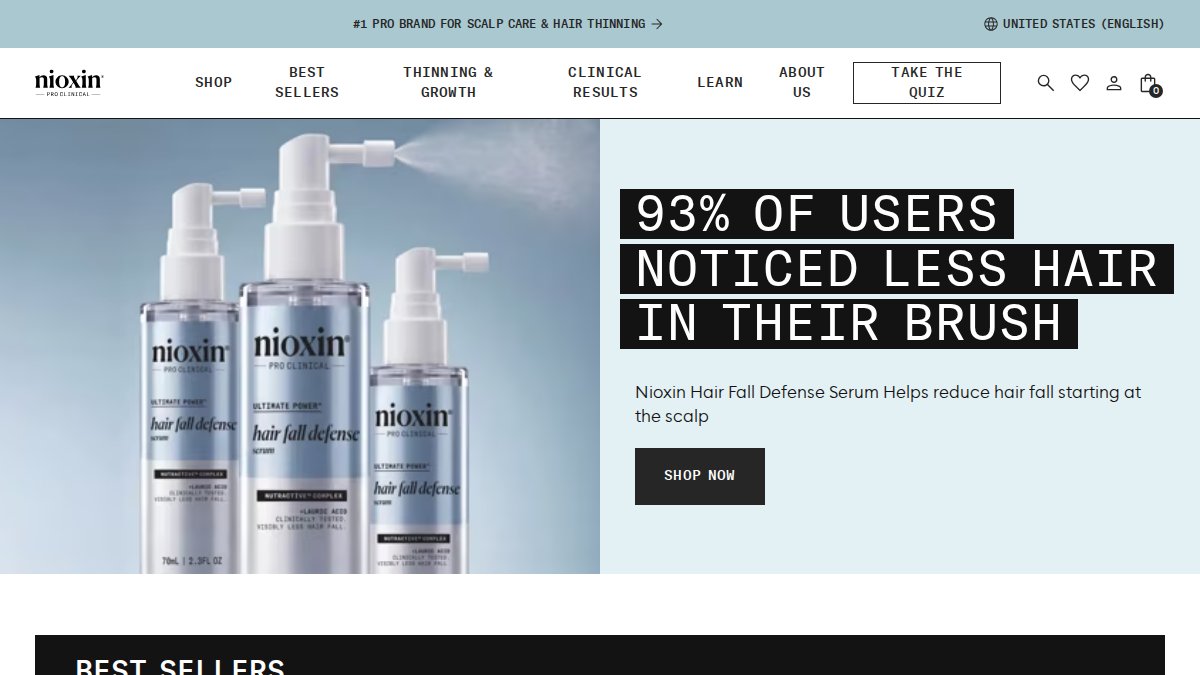
Nioxin's leave-on serum targets breakage rather than hormonal loss. Niacinamide and caffeine support the scalp barrier and sebum regulation, while the lightweight formula absorbs without grease. It fits easily into a morning routine.
Best for: Thinning caused by styling damage, heat, or mechanical breakage.
Pros: Non-greasy, easy daily use. Cons: No effect on DHT-driven or hormonal shedding.
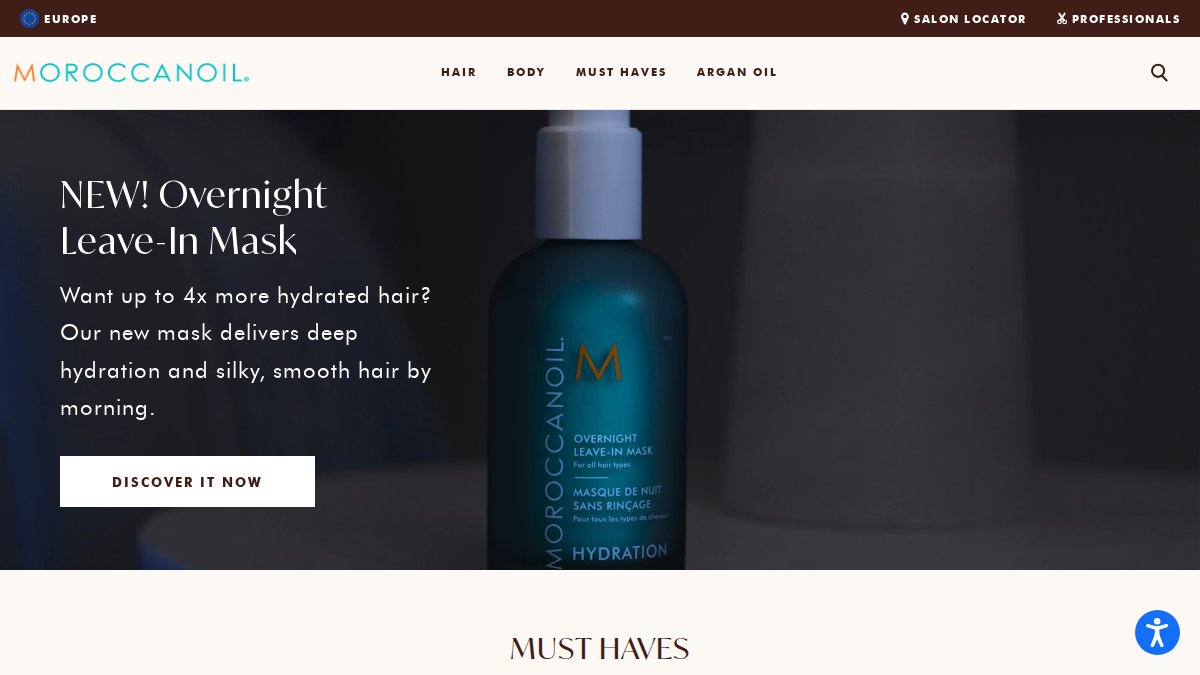
4. Moroccanoil Revitalizing Scalp Tonic: Botanical Scalp Balance
Moroccanoil's tonic leans botanical. Argan oil and ginger root oil support scalp hydration and circulation, and the formula suits most hair types. It is a scalp tonic, not a regrowth drug, so set expectations accordingly.
Best for: Mild shedding tied to dryness or an unbalanced scalp.
Pros: Pleasant scent, mess-free application. Cons: Cosmetic support only, no clinical regrowth claim.
5. Nutrafol Hair Mask and iRestore Elite: Weekly Nourishment and Light Therapy
This pairing covers two angles. The Nutrafol mask delivers plant-based nourishment to the scalp and hair shaft weekly, while the iRestore Elite helmet uses low-level light therapy (LLLT), FDA-cleared for hair growth, to stimulate follicles hands-free at home.
Best for: Anyone wanting a non-chemical, technology-based routine alongside topical care.
Pros: Drug-free; convenient home use. Cons: The device carries a significant upfront cost, and consistency matters.
Scalp Detox Benefits and Japanese Head Spa: Professional In-Studio Care
Scalp detox benefits go beyond a clean feeling. The scalp hosts its own microbiome, a community of yeast, bacteria, and other microorganisms that normally live in balance. When sebum, dead skin, and styling product accumulate, that balance can shift, and the resulting low-grade inflammation is one of the factors researchers associate with thinning hair. A 2023 review in StatPearls on androgenetic alopecia notes that inflammation around the follicle often accompanies pattern hair loss, which is why scalp environment matters and not just follicle stimulation.
What a Professional Scalp Detox Actually Does
A deep scalp detox is a professional exfoliation and cleansing service. It removes:
- Product buildup (dry shampoo, leave-in conditioner, pomades, edge control)
- Excess sebum that can clog the follicle opening
- Dead skin cells that flake and trap debris
- Environmental residue from hard water minerals
The goal is to help maintain a healthy scalp environment, not to strip the scalp. Over-cleansing with harsh surfactants at home can disrupt the microbiome and trigger rebound oil production, which is why a professional service uses controlled exfoliation and pH-balanced formulas rather than aggressive scrubbing.
Japanese Head Spa: Cleansing Plus Circulation
A Japanese Head Spa combines deep cleansing with a structured scalp massage sequence and often a warm-water rinse. Many clients find the massage improves scalp circulation and relaxation, while the cleansing addresses buildup at the follicle opening.
At L'Elite, a Japanese Head Spa in Bonita Springs is typically paired with microscopy scalp analysis so Linda can see follicle density, buildup, and irritation under magnification before recommending a service plan.
How In-Studio Care Fits With At-Home Treatments
This is the part that matters most. If you use minoxidil, do not schedule a scalp detox or head spa on the same day you apply it, because aggressive exfoliation can increase absorption and irritation.
If you are using a leave-in serum like Nioxin or a botanical tonic like Moroccanoil, apply it after the service, not before. Clean, exfoliated scalp skin absorbs leave-on products more evenly.
Ingredient Interactions to Watch
Layering actives is where many at-home routines go wrong. A few practical rules:
- Minoxidil and exfoliating acids (salicylic, glycolic, lactic): Do not apply on the same night. The acid increases skin permeability, which can amplify minoxidil side effects like itching, flaking, and redness.
- Minoxidil and retinoids: Same caution. Retinoids thin the stratum corneum and can increase minoxidil absorption unpredictably.
- Peptides and minoxidil: Generally fine to layer, but apply minoxidil first, let it dry fully, then apply the peptide serum. Peptides support the scalp barrier and hair shaft; they do not replace minoxidil's mechanism.
- Niacinamide and vitamin C: Can be layered, but some people experience flushing. Introduce one at a time.
- Multiple growth stimulants at once: More is not better. Stacking minoxidil with another vasodilator or a high-strength exfoliant increases the chance of irritation that can itself trigger shedding.
If you are unsure whether your current products can be layered, bring them to a scalp wellness consultation. Linda reviews the ingredient list alongside your scalp analysis and gives personalized hair and scalp wellness recommendations rather than a generic routine.
When to See a Dermatologist Instead
A scalp detox or head spa supports scalp wellness. It does not diagnose or treat medical hair loss. If you notice sudden or unexplained shedding, patchy bald spots, scaling with redness, pain, or burning, see a licensed dermatologist or healthcare professional before booking a cosmetic service. L'Elite will refer you when a concern falls outside the scope of cosmetology or trichology services.
Frequently Asked Questions
What is the best scalp treatment for hair thinning?
The best scalp treatment depends on what is causing your thinning. For clinically proven regrowth, FDA-approved minoxidil is the most studied at-home option. For a personalized approach, professional scalp treatments like microscopy scalp analysis and customized herbal therapy at a trichology studio can identify buildup, inflammation, or shedding patterns first. Many people combine both: a daily leave-in treatment at home and periodic professional scalp care in a studio.
How does a scalp detox help with hair thinning?
Scalp detox benefits include removing product buildup, excess sebum, and dead skin cells that can clog follicles and create an unhealthy scalp environment. A cleaner scalp supports better circulation and allows topical treatments to absorb more effectively. Detox alone does not regrow hair, but it helps maintain a healthy scalp environment where hair can grow normally. Professional detox services often pair well with leave-in serums and tonics.
Can scalp wellness treatments improve hair density?
Professional scalp wellness treatments support a healthier scalp environment, which may help hair look fuller over time when combined with consistent home care. Treatments like Japanese Head Spa, scalp massage, and LED therapy support scalp circulation and relaxation. Results vary by individual, and if thinning is caused by a medical condition, a dermatologist or licensed healthcare professional should be consulted alongside any cosmetic scalp care.
How often should I get a professional scalp treatment?
Most people benefit from a professional scalp treatment every four to six weeks, which aligns with the average hair growth cycle. If you are dealing with active shedding, buildup, or a sensitive scalp, a trichologist may recommend more frequent visits at first, then space them out as your scalp stabilizes. At-home leave-in treatments can be used daily or weekly between professional appointments.
What should I look for in a scalp treatment for thinning hair?
Look for treatments with ingredients that support scalp hydration and circulation, such as peptides, niacinamide, caffeine, argan oil, and ginger root oil. Avoid harsh sulfates or alcohol-heavy formulas if your scalp is sensitive. If you want clinical results, FDA-approved minoxidil has the strongest evidence base. For a personalized plan, a microscopy scalp analysis can show whether buildup, inflammation, or follicle miniaturization is the real issue.
Hair thinning is personal, and the right plan depends on what is actually happening at your scalp. L'Elite Hair & More Beauty Studio offers microscopy scalp analysis, customized herbal scalp treatments, LED hair therapy, Japanese Head Spa, and medical wig consultations, all built around education and personalized care. Book an appointment through Vagaro or call the studio to schedule a scalp wellness consultation and get a plan that fits your hair.