
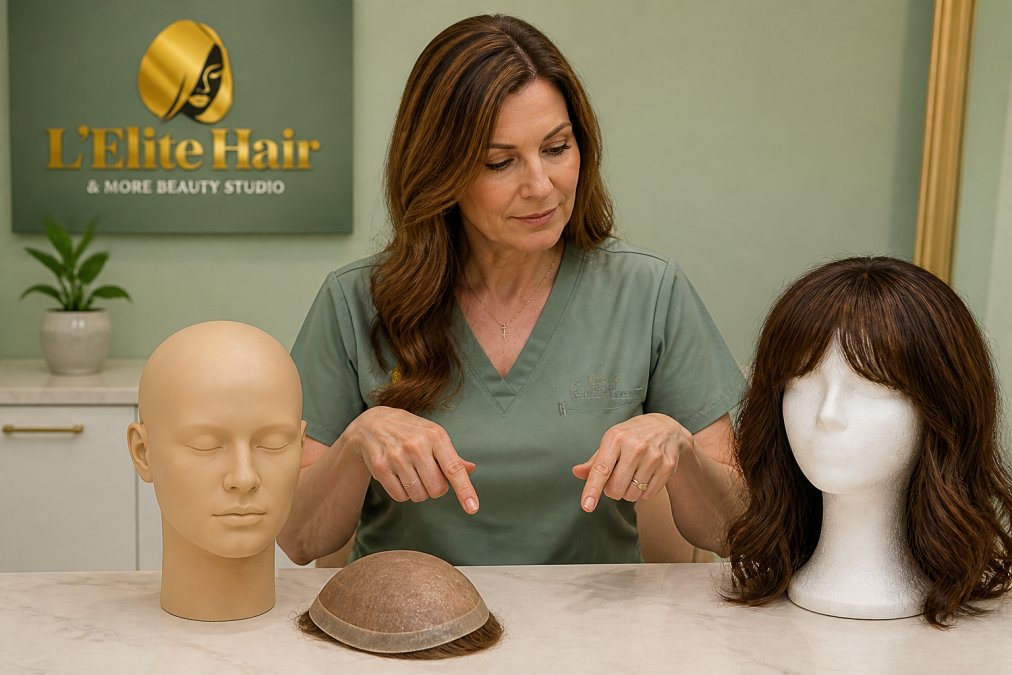
 comparison
Cranial Prosthesis vs Wig for Alopecia: Key Differences
Table of Contents
- Cranial Prosthesis vs Wig: The Core Differences
- Side-by-Side Comparison: Medical Prosthesis vs Fashion Wig
- Medical Wig Insurance Coverage: What You Need to Know
- The Cranial Prosthesis Fitting Process Explained
- Scalp Wellness for Hair Loss: Protecting Your Scalp Under a Prosthesis
- Psychological Impact and Long-Term Scalp Health
- Making Your Decision: Which Option Fits Your Situation?
- Frequently Asked Questions
Last Updated: September 27, 2026
Cranial Prosthesis vs Wig: The Core Differences
The difference between a cranial prosthesis and a wig comes down to purpose, construction, and how each is classified. A cranial prosthesis is a medical hair replacement system made for people experiencing medical hair loss, while a fashion wig is a cosmetic accessory.
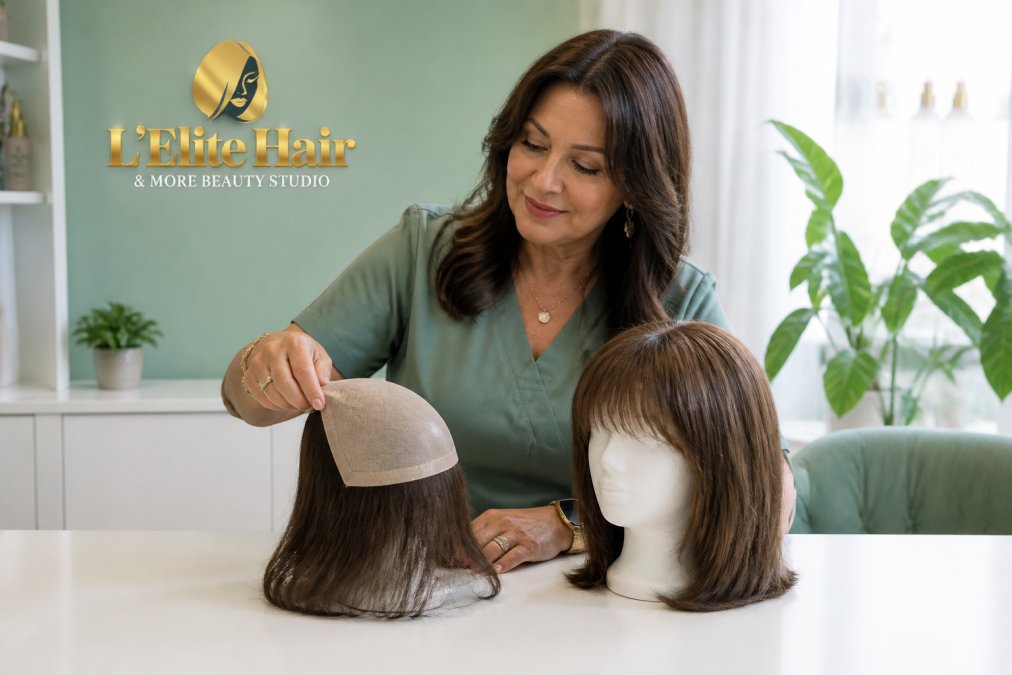
What Is a Cranial Prosthesis?
A cranial prosthesis is a custom-fitted hair replacement system designed for medical hair loss, including alopecia areata, chemotherapy-induced hair loss, and trichotillomania. It is built to fit a specific scalp, using a custom mold and scalp mapping for accurate coverage.
What Is a Fashion Wig?
A fashion wig is a cosmetic hairpiece sold off-the-shelf for style changes or coverage. Most use synthetic fibers, standard cap sizes, and wefts that sit on top of the scalp rather than mapping to it.
Side-by-Side Comparison: Medical Prosthesis vs Fashion Wig
Medical prostheses prioritize fit, breathability, and scalp health. Fashion wigs prioritize style variety and price. Here is how the two compare across the factors that matter most.
| Feature | Cranial Prosthesis | Fashion Wig |
|---|---|---|
| Primary purpose | Medical hair loss coverage | Cosmetic styling |
| Fit | Custom mold and scalp mapping | Standard cap sizes |
| Common materials | Hand-tied, monofilament, human hair | Synthetic fibers, wefted caps |
| Scalp sensitivity | Hypoallergenic, breathable options | Varies; may irritate |
| Insurance eligibility | May be eligible for reimbursement | Rarely covered |
| Best for | Alopecia, oncology patients, total hair loss | Short-term style changes |
Medical Wig Insurance Coverage: What You Need to Know
Medical wig insurance coverage depends on whether the unit is eligible for reimbursement. Many insurers consider a cranial hair prosthesis as medically necessary when a physician documents the diagnosis, which can open the door to reimbursement. Coverage is never automatic, and the difference between a paid claim and a denial usually comes down to paperwork, not the product itself.
HCPCS Codes and Durable Medical Equipment
Insurers may process these claims using HCPCS codes, the standardized Healthcare Common Procedure Coding System codes used for medical equipment and supplies. The code most often tied to cranial prostheses is A9282, which covers a wig for any cause of hair loss. Related codes may exist for scalp prostheses used after chemotherapy or for specific medical conditions, so the exact code depends on your diagnosis and your plan.
When considering reimbursement, common issues can include:
- Wrong code. A retail wig receipt has no DME code, so it is treated as a cosmetic purchase.
- No prescription. Without a written order from a physician, the item is not a covered medical device.
- Missing diagnosis documentation. The chart note must state the medical cause of hair loss, not just "hair thinning."
- Out-of-network provider. Some plans only reimburse units fitted by a credentialed DME supplier.
Step-by-Step Prescription Process
- Get a diagnosis. A dermatologist, oncologist, or other treating physician documents the cause of hair loss in your chart.
- Request a prescription. Ask specifically for a written prescription for a "cranial prosthesis", not a "wig." The wording matters to the claims reviewer.
- Ask about prior authorization. Some plans require approval before the purchase. Ask your insurer whether A9282 needs pre-approval and what documentation they want.
- Confirm your benefits. Call your insurer and ask how durable medical equipment and HCPCS A9282 are handled, including any annual limits or replacement schedules.
- Choose a qualified provider. Work with a specialist who fits medical-grade units and knows the codes. A provider who only sells retail wigs cannot support a DME claim.
- Keep every document. Save the prescription, the itemized receipt, the HCPCS code, and any chart notes. You will need them if the claim is denied.
- Submit the claim. File with the prescription, code, and itemized receipt. If denied, request the reason in writing and ask about the appeal process.
The Centers for Medicare & Medicaid Services publishes coding guidance that providers and patients can reference. The National Alopecia Areata Foundation also offers patient guidance on wigs and prostheses that walks through reimbursement basics. Coverage rules vary by plan, so confirm details with your insurer before you buy.
What to Ask Before You Buy
A short list of questions saves a long fight later:
- Does my plan cover cranial prostheses for reimbursement?
- Is A9282 the correct code for my diagnosis?
- Do I need prior authorization?
- Is there an annual limit, and how often can I replace the unit?
- Does the provider need to be in-network?
The Cranial Prosthesis Fitting Process Explained
The cranial prosthesis fitting process is what separates a medical unit from an off-the-shelf purchase. It starts with a consultation, not a catalog. A specialist reviews your hair loss pattern, scalp condition, and daily needs.
Scalp Wellness for Hair Loss: Protecting Your Scalp Under a Prosthesis
Scalp wellness for hair loss does not stop once the unit is on. A prosthesis sits against skin for hours, so the scalp underneath needs attention. Buildup, dryness, and friction are the three issues to watch.
Psychological Impact and Long-Term Scalp Health
The psychological impact of hair loss is real, and the right hair solution can change how someone moves through the world. But there is a distinction most buying guides skip: a cranial prosthesis is often experienced as a medical device that restores a sense of self, while a fashion wig is experienced as a cosmetic accessory. That difference in identity, patient versus shopper, shapes how people wear the unit, how long they keep it on, and how they feel when they take it off.
Why the Cap Matters More Than the Hair
Long-term scalp health deserves equal weight, and the cap is where it is won or lost. A unit that fits poorly can cause friction, pressure points, and irritation over months of daily use. A custom-fitted, breathable prosthesis reduces those risks and supports the scalp underneath.
The mechanism is straightforward:
- Breathability. Medical-grade caps are designed to let air and moisture move away from the scalp. Standard synthetic wig caps trap heat and moisture, which can soften the skin, encourage buildup, and create the kind of environment where irritation starts.
- Weight distribution. A custom mold spreads the weight of the unit across the scalp instead of concentrating it at pressure points. Off-the-shelf caps concentrate weight where the cap happens to sit.
- Material contact. Hypoallergenic linings and hand-tied or monofilament construction reduce friction against bare or sensitive skin. Wefted synthetic caps can rub, especially along the hairline and nape.
- Adhesion method. Medical-grade adhesives and tapes are formulated for skin contact over longer wear periods. Retail wig adhesives are not always designed for daily, all-day use on a sensitive scalp.
Scalp Wellness Between Wears
Scalp wellness does not stop once the unit is on. A prosthesis sits against skin for hours, so the scalp underneath needs attention. Buildup, dryness, and friction are the three issues to watch. Clean your scalp gently between wears and let it breathe when you can. Look for breathable cap construction and hypoallergenic materials to reduce irritation. If you notice redness, itching, or sores, remove the unit and consult a dermatologist.
Making Your Decision: Which Option Fits Your Situation?
A few questions can settle it:
- Is your hair loss medical, and do you have a diagnosis?
- Will you wear the unit daily or a few times a month?
- Is your scalp sensitive or bare?
- Do you want to pursue insurance reimbursement?
L'Elite Hair & More Beauty Studio offers medical wig and cranial prosthesis consultations alongside scalp wellness services for clients across Bonita Springs, Naples, Estero, and Fort Myers.
Frequently Asked Questions
Is a cranial prosthesis the same as a wig?
No. A cranial prosthesis is a medical-grade hair replacement system designed for people with medical hair loss, such as from chemotherapy or alopecia areata. It is custom-fitted using a scalp mold or scalp mapping, made with breathable cap construction, and often covered by insurance when prescribed. A fashion wig is a cosmetic accessory sold off the shelf, not intended as a medical device, and typically not reimbursable.
Will insurance cover a cranial prosthesis for alopecia?
Coverage depends on your specific plan, your diagnosis, and whether your dermatologist or oncologist documents medical necessity. Many plans require a prescription and may reimburse under HCPCS code A9282. Contact your insurer to confirm benefits and ask what documentation they need. A certified cranial prosthesis specialist can help you prepare the paperwork.
How does a cranial prosthesis differ from a fashion wig in terms of comfort?
A cranial prosthesis is built for extended wear on a sensitive or bare scalp. It uses soft, hypoallergenic materials, hand-tied or monofilament caps, and a custom mold for a secure fit without clips or adhesives that can irritate skin. A fashion wig may have a thicker, less breathable cap and is designed for short-term styling, which can cause itching or pressure points during long wear.
What should I look for in a medical hair loss specialist?
Look for credentials such as Certified Trichologist, Certified Hair Loss Practitioner, or Certified Cranial Prosthesis Specialist. A good specialist will offer a private consultation, perform a scalp analysis, explain the difference between medical and fashion hair replacement, help with insurance paperwork, and refer you to a dermatologist when needed. They should never promise a cure or pressure you into a purchase.
How do I maintain a cranial prosthesis for long-term wear?
Follow your specialist's care instructions, which usually include gentle washing with sulfate-free products, air drying on a wig stand, and rotating between two prostheses if possible. Keep your scalp clean and moisturized with scalp wellness for hair loss routines, and schedule regular check-ups to adjust the fit. Avoid excessive heat and harsh chemicals to extend the life of the hair and cap.
Hair loss brings enough decisions without guesswork on top. If you are weighing a cranial prosthesis vs wig and want clear guidance, L'Elite Hair & More Beauty Studio can help. Our team provides medical wig and cranial prosthesis consultations, personalized hair and scalp wellness recommendations, and microscopy scalp analysis to match you with the right solution. Get started with L'Elite Hair & More Beauty Studio and move forward with a plan built around your scalp, your hair, and your comfort.