
 how-to
Natural Remedies for Itchy Scalp Inflammation
Table of Contents
- What Causes Itchy Scalp and Hair Loss
- Essential Oils and Carrier Oils for Scalp Relief
- Soothing Natural Treatments for Scalp Inflammation
- Deep Scalp Detox Benefits for Long-Term Health
- Microscopy Scalp Analysis: Understanding Your Scalp
- Hair Type Considerations and Scalp Microbiome Balance
- When to Seek Professional Care
- Frequently Asked Questions
Last Updated: September 25, 2026
What Causes Itchy Scalp and Hair Loss
An itchy scalp signals that something is out of balance. Causes range from fungal overgrowth to product buildup. Your scalp is living skin that needs proper pH balance, moisture, and a healthy microbiome to thrive.
Seborrheic Dermatitis and Fungal Overgrowth
Seborrheic dermatitis is one of the most common causes of scalp inflammation (the American Academy of Dermatology). This condition involves overgrowth of malassezia, a yeast-like fungus that naturally lives on most scalps (Seborrheic Dermatitis and Malassezia species: How Are They Related?). When it multiplies due to stress, humidity, hormonal shifts, or a weakened scalp barrier, inflammation and itching follow.
Many people confuse seborrheic dermatitis with dandruff. The key difference: dandruff is simple dry flaking, while seborrheic dermatitis involves inflammation, redness, and often a greasy appearance.
Product Buildup and pH Imbalance
Your scalp thrives in a slightly acidic environment. Most commercial shampoos are alkaline, which disrupts this balance and strips your scalp's natural oils. Silicones, sulfates, and coating agents accumulate on your scalp, trapping moisture and bacteria where inflammation thrives.
When your scalp's pH is off, it can't regulate sebum production properly, leading to either excessive dryness or oiliness, both triggering itching and irritation.
Scalp Sensitivity and Folliculitis
Scalp sensitivity develops when the scalp barrier weakens, allowing irritants and bacteria to penetrate more easily. This can lead to folliculitis, an inflammation of hair follicles that feels like small, tender bumps. Tight hairstyles, friction, and bacterial overgrowth all contribute.
Chemical treatments, heat styling, and harsh products accelerate sensitivity. Recognizing your scalp's limits prevents inflammation before it starts.
Essential Oils and Carrier Oils for Scalp Relief
Essential oils offer powerful anti-inflammatory and antifungal benefits when used correctly. They are highly concentrated plant extracts, a single drop of pure tea tree oil contains compounds from pounds of plant material, which is why dilution and safety protocols are non-negotiable.
Why Dilution Is Critical
Undiluted essential oils can cause chemical burns, redness, and blistering. Even "gentle" oils like lavender irritate inflamed skin at full strength. A safe dilution ratio is 2-3 drops of essential oil per teaspoon of carrier oil. For sensitive or inflamed scalps, start at 2 drops per teaspoon and increase only if no irritation develops.
Carrier oils distribute essential oils evenly and have their own therapeutic properties. A carrier oil that's too heavy can trap heat and worsen inflammation; one too light may not penetrate adequately.
Patch Testing: The Non-Negotiable First Step
Patch testing identifies allergic reactions before applying anything to your entire scalp:
- Prepare the test mixture: Dilute your essential oil in a carrier oil using the 2-3 drops per teaspoon ratio.
- Apply to a small area: Use the inside of your wrist, behind your ear, or inside your elbow.
- Wait the full 24 hours: Redness, itching, burning, swelling, or hives indicate a reaction.
- Observe for 48 hours: Check the area again the next day for delayed reactions.
- Only then apply to scalp: If no reaction appears after 48 hours, the mixture is safe.
Skipping this step can result in severe scalp irritation lasting days or weeks. If you have sensitive skin, allergies, or asthma, patch test even oils you've used before, sensitivities can develop over time.
Essential Oil Profiles: Safety and Efficacy
Lavender Oil has mild anti-inflammatory properties and is generally well-tolerated, though it can cause contact dermatitis in sensitive skin. Dilute 2-3 drops in 1 teaspoon of carrier oil and use no more than 2-3 times per week.
Tea Tree Oil is potent and antifungal but a common cause of irritation. Never use more than 2 drops per teaspoon of carrier oil. If burning or redness develops, discontinue immediately. Do not use on children or pets.
Peppermint Oil creates a cooling sensation that temporarily relieves itching and supports circulation but can irritate inflamed skin. Dilute 2 drops in 1 teaspoon of carrier oil and patch test carefully. Avoid if you have open sores or severe inflammation.
Eucalyptus Oil has antimicrobial properties but is highly irritating. Dilute no more than 1 drop per teaspoon of carrier oil and patch test thoroughly.
Frankincense Oil is gentler and supports skin barrier repair without the irritation risk of tea tree or peppermint. Dilute 2-3 drops in 1 teaspoon of carrier oil, a safer choice for sensitive or severely inflamed scalps.
Choosing the Right Carrier Oil
Jojoba Oil closely mimics your scalp's natural sebum, absorbs well without residue, and has mild antifungal properties. It's ideal for all hair types, especially sensitive scalps.
Coconut Oil has natural antifungal properties and is deeply moisturizing but can solidify in cool temperatures and cause buildup on fine hair. It works best for curly, coily, or dry hair.
Argan Oil is lightweight, absorbs quickly, and doesn't trap heat, excellent for fine hair and sensitive scalps.
Application and Frequency
Apply your diluted oil mixture directly to your scalp and massage gently for 2-3 minutes. Leave it on for 15-30 minutes (or overnight if your hair type allows), then shampoo thoroughly to remove residue.
Recognizing Adverse Reactions
If you experience burning, redness, swelling, hives, blistering, or headache, rinse immediately with cool water and discontinue use. If irritation persists beyond a few hours or spreads, consult a dermatologist.
Soothing Natural Treatments for Scalp Inflammation
Natural remedies work best when they address the root cause, not just symptoms. Combining multiple approaches yields better results than relying on a single treatment.
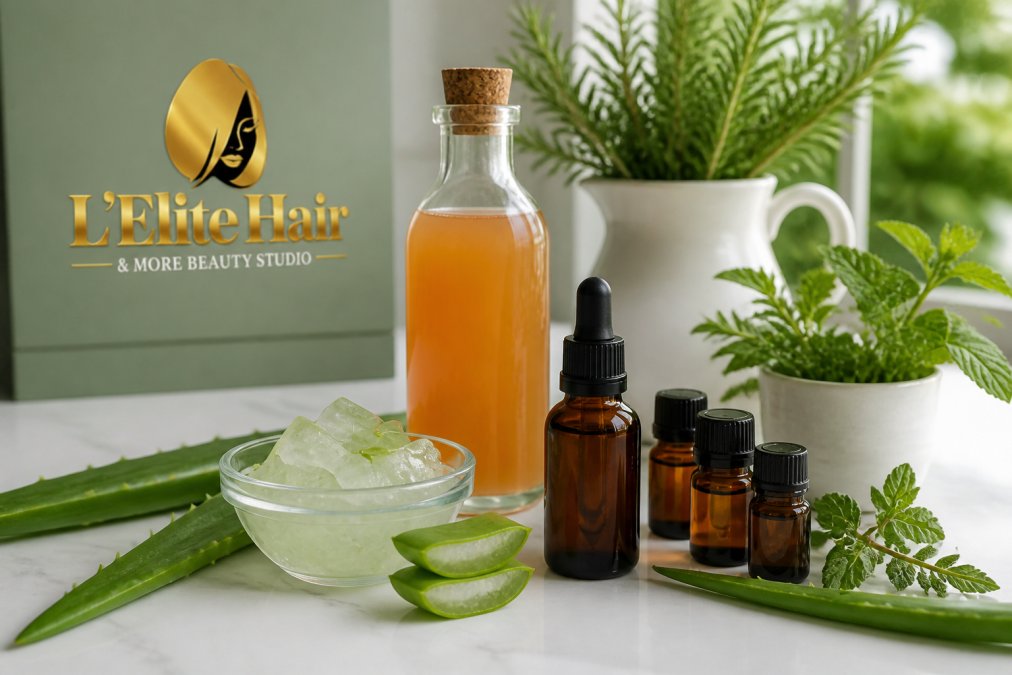
Aloe Vera and Apple Cider Vinegar Rinses
Aloe vera gel soothes inflammation with natural antifungal and antibacterial properties. Apply to your scalp, leave for 15-20 minutes, then rinse with cool water.
These treatments address the scalp barrier directly.
Herbal Masks and Moisturizing Treatments
Mix brewed chamomile tea with honey and apply to your scalp. Chamomile reduces inflammation; honey is naturally antibacterial and moisturizing.
Deep Scalp Detox Benefits for Long-Term Health
A deep scalp detox removes buildup that everyday shampooing misses, product residue, dead skin cells, and mineral deposits that accumulate over months and worsen inflammation.
Microscopy Scalp Analysis: Understanding Your Scalp
A microscopy scalp analysis shows exactly what's happening on your scalp at a cellular level, revealing fungal overgrowth, bacterial imbalances, buildup, dryness, and inflammation patterns.
Hair Type Considerations and Scalp Microbiome Balance
Your scalp hosts a complex ecosystem of bacteria and fungi, your scalp microbiome. This system is not a problem to eliminate; it's a system to balance. Understanding how it works is key to solving itchy scalp inflammation that keeps returning despite treatment.
What Is the Scalp Microbiome?
Your scalp microbiome includes hundreds of species of bacteria and fungi. Malassezia, a yeast-like fungus, naturally colonizes most scalps. In balanced numbers, it's harmless, it feeds on sebum and regulates your scalp's pH and moisture.
Why Harsh Treatments Backfire
Many people try to "fix" an itchy scalp using antibacterial shampoos or medicated treatments that kill microorganisms indiscriminately, which often makes the problem worse.
How Hair Type Affects Microbiome Balance
Your hair type influences your scalp's microbiome because it affects sebum distribution, moisture retention, and how easily products build up.
Restoring Microbiome Balance
Rebalancing your scalp microbiome requires creating conditions where beneficial organisms thrive and harmful ones naturally decline.
The Timeline for Rebalancing
Microbiome rebalancing takes time.
You may experience temporary increased flaking or itching as the microbiome shifts, this is normal and usually subsides. If symptoms worsen significantly or don't improve after 8 weeks, seek professional evaluation.
When to Seek Professional Care
If your itching lasts more than two weeks despite home treatment, see a dermatologist or trichologist. Sudden hair loss, severe inflammation, or signs of infection need professional attention.
Frequently Asked Questions
What causes itchy scalp and hair loss?
Itchy scalp inflammation stems from multiple sources: fungal overgrowth like malassezia, product buildup disrupting pH balance, folliculitis, seborrheic dermatitis, or sensitivity to harsh chemicals. Stress, dietary factors, and scalp microbiome imbalance can trigger or worsen inflammation. Hair loss may accompany inflammation when the scalp barrier is compromised, affecting hair follicle health. A professional microscopy scalp analysis helps identify the specific cause so treatment targets the root issue rather than just symptoms.
How can I naturally support a healthy scalp environment?
Support scalp wellness through regular gentle cleansing, proper rinsing to remove product residue, and scalp-specific treatments that restore pH balance and microbiome health. Natural approaches include apple cider vinegar rinses, carrier oils like coconut or jojoba to maintain moisture, and antifungal essential oils like tea tree or peppermint when properly diluted. Avoid over-washing, which strips natural oils, and limit heat styling. Deep scalp detox treatments help remove buildup while nourishing the scalp barrier, creating conditions for healthier hair growth.
Are there dietary factors that contribute to scalp inflammation?
Yes. Inflammatory foods and nutritional deficiencies can worsen scalp health and hair loss. High-sugar diets, excessive processed foods, and insufficient omega-3 fatty acids may increase inflammation throughout the body, including the scalp. Conversely, foods rich in antioxidants, healthy fats, and minerals support scalp microbiome balance and hair follicle strength. Hydration also matters, dehydration can worsen transepidermal water loss from the scalp barrier. Consulting a healthcare provider about nutritional support complements topical scalp treatments for comprehensive care.
When should I see a dermatologist about my itchy scalp?
Seek professional medical evaluation if inflammation persists beyond two weeks despite home care, if itching is severe or spreading, if you notice oozing, crusting, or signs of infection, or if hair loss accompanies the inflammation. Sudden or unexplained shedding, redness with swelling, or scalp conditions that worsen over time require dermatologist assessment to rule out seborrheic dermatitis, folliculitis, or other conditions requiring medical treatment. A scalp wellness consultation with a trichologist can help determine whether professional scalp care or medical referral is appropriate for your situation.