
 ultimate-guide
How to Find Comfortable Medical Wigs: A 2026 Guide
Table of Contents
- Understanding Medical-Grade Wig Construction
- How to Measure for a Medical Wig
- Choosing Materials for Sensitive Scalps
- Managing Scalp Tenderness and Irritation
- Wig Grips and Security Features
- Scalp Wellness for Wig Wearers
- Cranial Prosthesis Consultation and Insurance
- Finding Comfortable Medical Wigs That Work for You
- Frequently Asked Questions
Last Updated: September 21, 2026
Finding a comfortable medical wig is about far more than aesthetics, it's about restoring confidence, supporting scalp health, and ensuring you can wear your wig without pain, irritation, or constant adjustment. At L'Elite Hair & More Beauty Studio, we work with clients navigating hair loss from chemotherapy, alopecia, stress, and other medical conditions.
Understanding Medical-Grade Wig Construction
Medical-grade wigs prioritize breathability, lightweight wear, and scalp-friendly materials for sensitive scalps and active treatment. Cap construction directly affects comfort, security, and wear duration.
Hand-Tied vs. Machine-Tied Caps
Hand-tied caps tie individual strands to a thin base, creating better airflow and lighter weight, ideal for sensitive scalps. Machine-tied caps are more affordable but heavier and less breathable. Hybrid caps combine hand-tied fronts with machine-tied backs for balance between comfort and durability.
Monofilament and Lace Front Options
Monofilament caps tie individual hairs to a stretchy nylon base that moves with your scalp, allowing natural parting and better breathability. Lace front wigs feature a sheer lace base at the hairline for realism and reduced pressure. Combining lace fronts with monofilament or hand-tied backs balances appearance, durability, and comfort.
How to Measure for a Medical Wig
Proper fit is non-negotiable for comfort. An ill-fitting wig creates pressure points, slips during movement, and forces constant adjustment, all sources of frustration and scalp irritation. Medical wigs should fit snugly without feeling tight, staying in place during normal activity while allowing blood flow to your scalp.
The Four-Finger Rule and Circumference Measurement
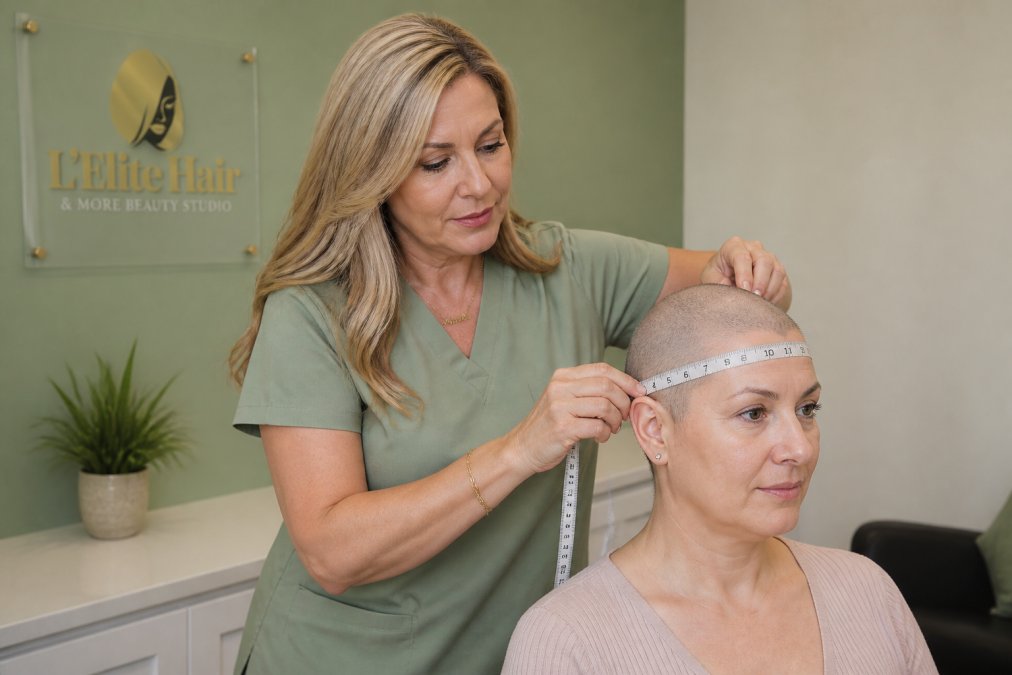
Measure circumference around your head at the widest point using a soft tape. Use the "four-finger rule": fit four fingers between the tape and your head to ensure secure fit without restricting blood flow. Circumference varies; if between sizes, consider adjusting straps outward.
Front-to-Nape and Temple-to-Temple Measurements
Front-to-nape measures from hairline to neck nape and determines coverage. Temple-to-temple measures across the top to ensure proportional width. Take measurements in a mirror with marked points for consistency, or ask a medical wig specialist to measure during consultation.
Choosing Materials for Sensitive Scalps
The materials touching your scalp directly affect comfort, irritation, and how long you can wear your wig. For someone with a sensitive scalp, whether from chemotherapy, alopecia treatment, or healing, material choice is as important as fit.
Human Hair vs. Synthetic Fibers
Human hair wigs offer natural appearance and styling flexibility but require more maintenance and cost more. They're gentler on sensitive scalps and don't generate static. Synthetic fiber wigs are pre-styled, low-maintenance, and affordable but can trap heat and moisture. Heat-resistant synthetics offer styling flexibility.
Breathable Caps and Hypoallergenic Linings
Hypoallergenic linings minimize irritation. Choose silk, bamboo, or cotton blends for breathability and moisture-wicking. Avoid heavy plastic or rubber linings. Look for ventilation holes or mesh sections. Removable liners allow separate washing and replacement, ideal for managing scalp sensitivity.
Managing Scalp Tenderness and Irritation
Even with the perfect wig, scalp tenderness from treatment or healing requires active management. Comfort isn't just about the wig, it's about protecting your scalp while you wear it.
Wig Liners and Moisture-Wicking Fabrics
A wig liner creates a protective barrier, absorbs moisture, and distributes pressure evenly. Moisture-wicking liners pull sweat away, reducing irritation and infection risk. Consider starting with thin liners for tender scalps, and adjust thickness as needed.
Reducing Pressure Points and Friction
Pressure points develop where the wig band or cap edges create sustained pressure. Common areas include the temples, forehead, and nape of the neck. To minimize pressure:
- Ensure your wig fits properly (not too tight)
- Use adjustable straps to distribute pressure evenly
- Wear a moisture-wicking liner to reduce friction
- Take breaks: remove your wig for 15-30 minutes every few hours if possible
- Avoid tight hairstyles under the wig that create additional pressure
Wig Grips and Security Features
Security and comfort go hand in hand. A wig that shifts or slips creates constant tension as you adjust it, adding pressure to your scalp and creating friction. Modern wig grips and security features keep your wig stable without requiring excessive tightness.
Adjustable Straps and Silicone Lining
Adjustable straps at the nape of your neck let you customize fit without making the entire wig tighter. Look for straps with multiple adjustment points so you can fine-tune the fit. Velcro or snap closures are easier to adjust than traditional hooks.
Securing Your Wig Without Causing Discomfort
If you need extra security beyond adjustable straps and silicone lining, consider:
- Wig grips (headbands worn under the wig) that distribute pressure across your entire head rather than concentrating it at the nape
- Double-sided wig tape (medical-grade, hypoallergenic) applied to your hairline for all-day security without adhesive residue
- Wig clips that attach to remaining hair if you have some hair growth, providing additional anchoring
Scalp Wellness for Wig Wearers
Wearing a wig continuously requires intentional scalp care. Your scalp needs regular cleansing, moisture, and circulation to stay healthy while supporting the wig's weight and maintaining comfort.
Daily Scalp Care Routines
Establish a simple routine that works with your wig schedule:
- Cleanse gently: Wash your scalp 2-3 times weekly with a gentle, sulfate-free shampoo. Use lukewarm water and your fingertips (never nails) to massage your scalp without creating irritation.
- Moisturize: Apply a lightweight, hypoallergenic scalp serum or oil after washing. This prevents dryness and irritation, especially important if you're managing treatment side effects.
- Remove your wig regularly: Give your scalp air exposure for at least 1-2 hours daily. This reduces moisture buildup and allows your scalp to breathe.
- Avoid heavy products: Skip thick creams or pomades that can clog your scalp under the wig. Lightweight, water-based products are safer.
Professional Scalp Treatments and Support
Professional scalp treatments can accelerate healing and improve comfort. Services like scalp analysis (using a microscope to assess scalp health), scalp detox (deep cleansing to remove buildup), and scalp wellness consultations provide personalized guidance based on your specific scalp condition.
Cranial Prosthesis Consultation and Insurance
For many people experiencing hair loss from medical treatment, a medical wig qualifies as a cranial prosthesis, a medical device covered by insurance. Understanding this distinction can significantly reduce your out-of-pocket costs.
Understanding Cranial Prosthesis Coverage
A cranial prosthesis is a medical device prescribed to address hair loss caused by medical conditions like alopecia, chemotherapy, radiation, or other treatments. Insurance coverage varies by plan, but many policies cover cranial prostheses when prescribed by a physician or dermatologist.
Coverage may include:
- The wig itself
- Professional fitting and customization
- Replacement wigs if needed during treatment
- Accessories like liners or caps
What to Expect in a Professional Consultation
A professional cranial prosthesis consultation should include:
- Scalp assessment: Evaluation of your current scalp condition, sensitivity, and any active irritation
- Measurement and fitting: Precise measurements to ensure proper fit
- Material and construction recommendations: Guidance on cap type, fiber choice, and features based on your scalp health and lifestyle
- Insurance navigation: Assistance with prescriptions, prior authorization, and billing
- Ongoing support: Follow-up adjustments and care guidance as your scalp heals or changes
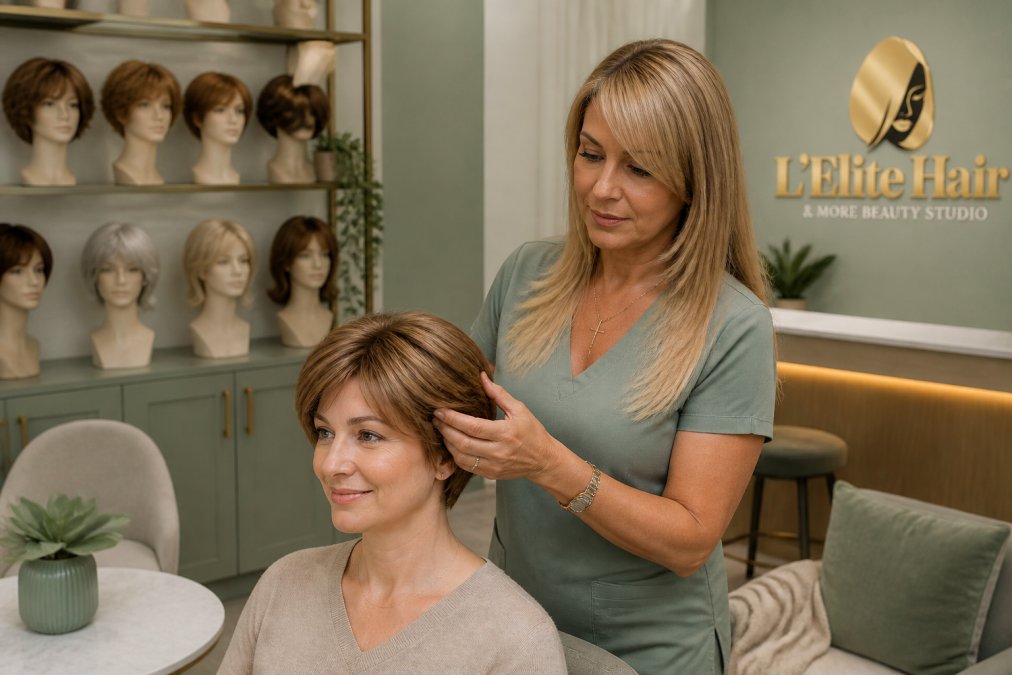
L'Elite Hair & More Beauty Studio provides cranial prosthesis consultations that combine professional fitting with holistic scalp wellness support. Linda E., a Certified Cranial Prosthesis Specialist with decades of experience, works with you to find a wig that's not just comfortable but also supports your overall scalp health during recovery.
Finding Comfortable Medical Wigs That Work for You
Comfort in a medical wig comes from the intersection of proper fit, appropriate materials, scalp health, and professional support. There's no single "best" wig, only the best wig for your specific situation, scalp condition, and lifestyle.
Frequently Asked Questions
What type of wig is most comfortable for cancer patients?
Medical-grade wigs with breathable caps, lightweight construction, and hypoallergenic linings are most comfortable for cancer patients. Hand-tied or monofilament caps offer better ventilation, while silicone or fabric liners reduce friction against sensitive scalps. Look for adjustable straps to avoid pressure points and human-hair options that feel more natural. A professional fitting ensures proper circumference measurement, preventing discomfort from too-tight or too-loose placement. Many patients benefit from consultation with a certified cranial prosthesis specialist to identify the best fit for their specific scalp condition.
What is the four-finger rule for wigs?
The four-finger rule is a fitting guideline that ensures a comfortable medical wig fit. When the wig is on your head, you should be able to fit four fingers (held flat) between the wig cap and your scalp at the back of your head. This measurement indicates proper tension, snug enough to stay secure but loose enough to avoid pressure points and scalp irritation. If you can fit fewer than four fingers, the wig is too tight; if more than four, it's too loose. This rule helps prevent discomfort during all-day wear and reduces friction-related tenderness on sensitive scalps.
How should a medical wig fit to ensure all-day comfort?
A comfortable medical wig should feel snug but not tight, with even weight distribution across your entire head. The front hairline should sit about one finger's width above your natural hairline, and the back should rest without pulling. Adjustable straps should be fastened so the cap sits firmly without creating pressure points. You should be able to fit four fingers between the cap and scalp at the back. The wig should not slide during movement, and any liners or grips should feel smooth against your skin. Temperature regulation matters too, breathable caps prevent heat buildup, which is especially important for sensitive scalps recovering from medical treatment.
What features make a medical wig comfortable for sensitive scalps?
Comfortable medical wigs for sensitive scalps include breathable cap construction (monofilament or hand-tied), hypoallergenic linings, moisture-wicking fabrics, and adjustable straps that reduce pressure. Silicone or soft fabric liners minimize friction, while lightweight materials prevent strain. Consider human hair or high-quality synthetic blends as they can be gentler. Look for dermatologist-approved products and consider wig liners made from bamboo or cotton. A professional scalp wellness consultation can identify specific sensitivities and recommend materials and treatments that support scalp health while wearing a medical wig long-term.
Will Medicare pay for a medical wig if you have cancer?
Medicare may provide coverage for a cranial prosthesis (medical wig) for patients with permanent hair loss due to cancer treatment, but coverage varies by plan and requires documentation from a healthcare provider. A cranial prosthesis is considered a medical device rather than a cosmetic item when prescribed for alopecia caused by chemotherapy or other medical conditions. To explore coverage options, consult your oncologist or dermatologist for a prescription, then contact your insurance provider about reimbursement eligibility. A certified cranial prosthesis specialist can guide you through the documentation and claim process. Financial assistance programs and nonprofit organizations also offer support for cancer patients seeking medical wigs.
How can I ensure my wig stays secure without causing discomfort?
Secure your medical wig using adjustable straps fastened snugly but not tightly, and consider a wig grip or liner to prevent slipping without friction. Proper measurement ensures the cap fits your head circumference correctly, too loose and it slides, too tight and it causes pressure points. Silicone linings and fabric-lined grips distribute weight evenly and reduce irritation. Test security by gently tugging the front hairline; it should not shift. For active lifestyles, double-sided wig tape or adhesive strips designed for sensitive skin offer extra hold. Avoid over-tightening adjustable straps, which can cause scalp tenderness and long-term irritation.
What is the difference between a fashion wig and a cranial prosthesis?
A cranial prosthesis is a medical device prescribed and fitted for individuals with hair loss due to medical conditions like alopecia, chemotherapy, or other treatments. It is custom-measured, often covered by insurance, and constructed with medical-grade materials designed for sensitive scalps and all-day wear. A fashion wig is a cosmetic accessory for style changes and is not prescribed by healthcare providers. Cranial prostheses prioritize comfort, breathability, and scalp health, while fashion wigs emphasize appearance and variety. Medical-grade construction includes features like hypoallergenic linings, adjustable straps, and lightweight caps. A professional cranial prosthesis consultation determines whether you need a medical device or a cosmetic option.
What materials are best for breathable, comfortable medical wigs?
Breathable medical wigs feature monofilament or hand-tied caps that allow air circulation to your scalp, reducing heat and moisture buildup. Lightweight synthetic fibers or human hair are gentler than dense materials. Look for hypoallergenic liners made from bamboo, cotton, or moisture-wicking fabrics that absorb sweat and prevent irritation. Silicone-lined grips distribute pressure evenly without friction. Avoid materials with heavy bases or non-breathable caps, which trap heat and aggravate sensitive scalps. Human hair offers superior breathability but requires more maintenance; high-quality synthetic blends balance comfort and durability. A scalp wellness consultation can identify which materials work best for your specific scalp condition and lifestyle.
Ready to find a medical wig that truly fits? Schedule a cranial prosthesis consultation with L'Elite Hair & More Beauty Studio. Our team will assess your scalp, take precise measurements, and guide you toward options that prioritize both comfort and your scalp's health. Whether you're navigating treatment, managing alopecia, or supporting a loved one through hair loss, we're here to help you feel confident and comfortable. Call 239-319-0942 or visit us to book your appointment today.