 blog
blog
Are Japanese Head Spas Worth It for Chronic Scalp Itching?
Table of Contents
- What Is a Japanese Head Spa and How Does It Address Scalp Issues?
- Japanese Scalp Treatment for Itchy Scalp: What the Research Shows
- Scalp Buildup Treatment: How Professional Cleansing Works
- What to Expect During a Japanese Head Spa Treatment
- How Often to Get a Japanese Head Spa for Best Results
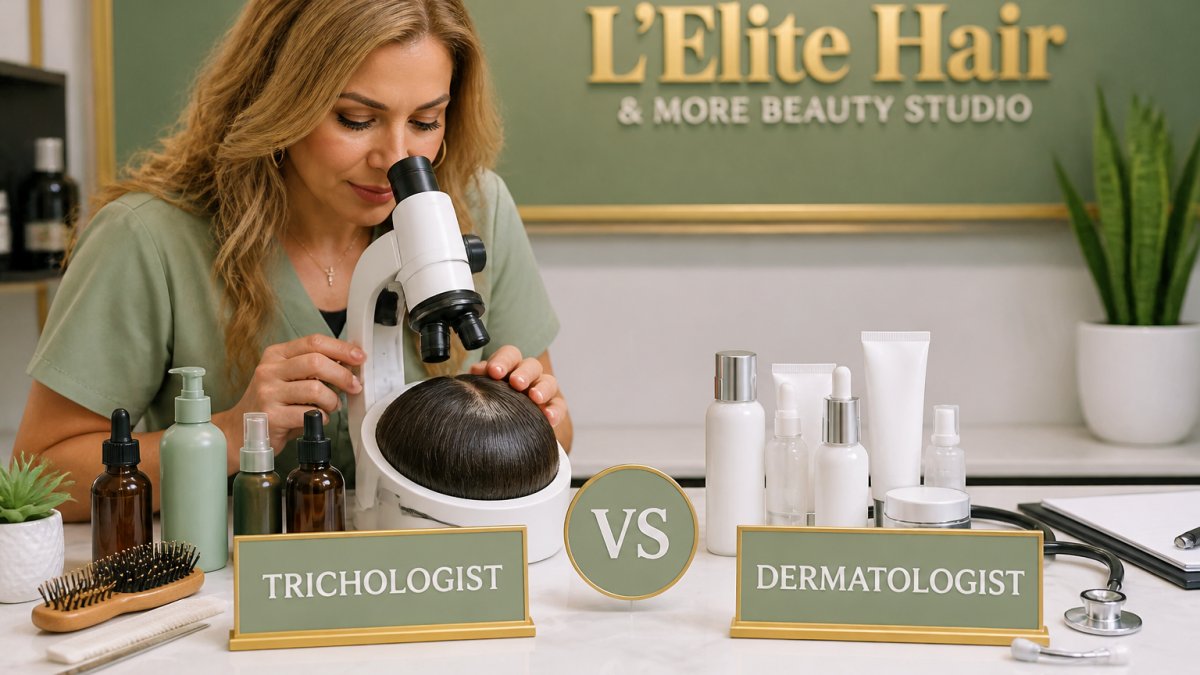
- When to See a Dermatologist Instead of a Head Spa
- Is a Japanese Head Spa Worth the Investment?
- Frequently Asked Questions
Last Updated: October 9, 2026
What Is a Japanese Head Spa and How Does It Address Scalp Issues?
A Japanese head spa is a professional scalp treatment combining deep cleansing, massage, and therapeutic techniques to address concerns like Japanese head spa scalp itching while supporting scalp wellness and healthy-looking hair. Unlike shampooing at home, it uses specialized equipment, targeted massage pressure, and often herbal or botanical treatments to address the buildup, dead skin cells, and sebum that regular washing leaves behind.
The treatment stimulates micro-circulation, supporting oxygen and nutrient delivery to hair follicles. For chronic scalp itching and buildup, it targets the root cause: a congested scalp environment trapping product residue, dead skin, and excess oil.
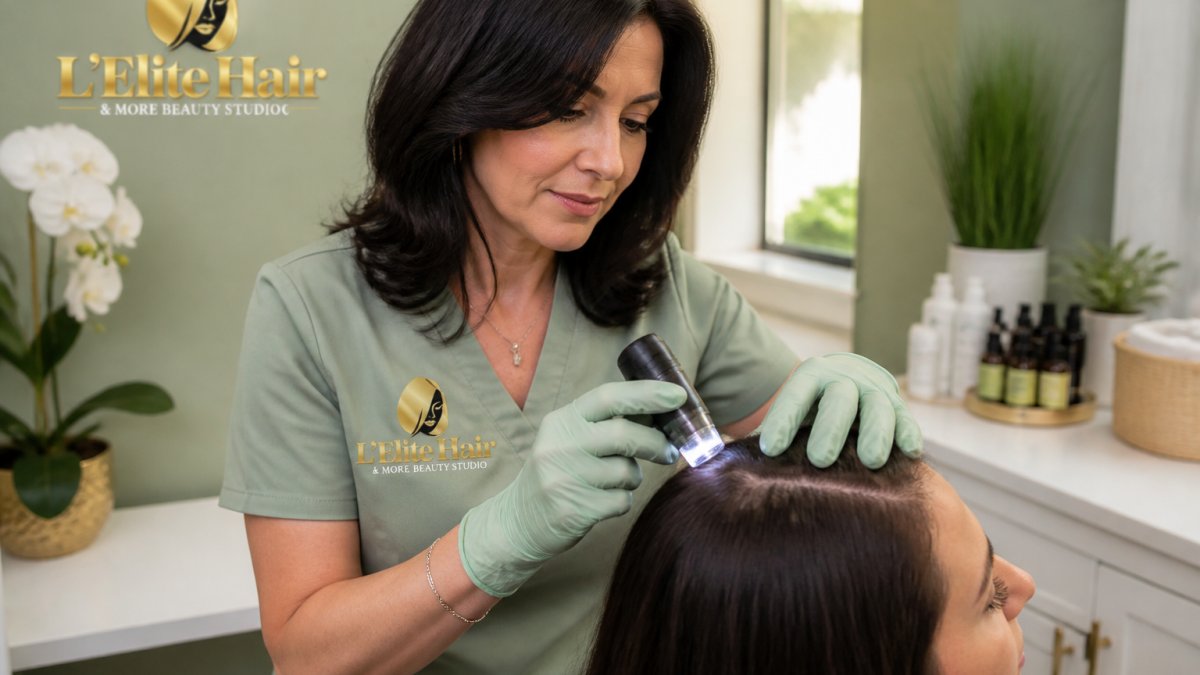
At L'Elite Hair & More Beauty Studio, we combine Japanese head spa techniques with microscopy scalp analysis and customized herbal treatments, so we understand what's happening on your scalp before recommending a plan for your specific concerns.
Japanese Scalp Treatment for Itchy Scalp: What the Research Shows
Chronic scalp itching often stems from interconnected issues: sebum buildup, dead skin accumulation, product residue, or an imbalanced scalp microbiome. A Japanese head spa removes the buildup that irritates the scalp.
The massage component matters too: professional scalp massage increases blood flow, supporting a healthier scalp environment and helping the scalp maintain natural pH balance and oil regulation.
L'Elite Hair & More Beauty Studio offers scalp wellness consultations where we examine your scalp closely, sometimes with microscopy scalp analysis, to identify whether itching comes from buildup, dryness, inflammation, or something else, because the treatment approach changes with the root cause.
Scalp Buildup Treatment: How Professional Cleansing Works
Scalp buildup is deceptively common and often invisible, accumulating from silicones, heavy conditioners, dry shampoo, styling products, natural sebum, dead skin cells, and hard-water minerals.
A Japanese head spa removes this buildup through several distinct mechanisms, and understanding them helps you judge whether a treatment is being done well.
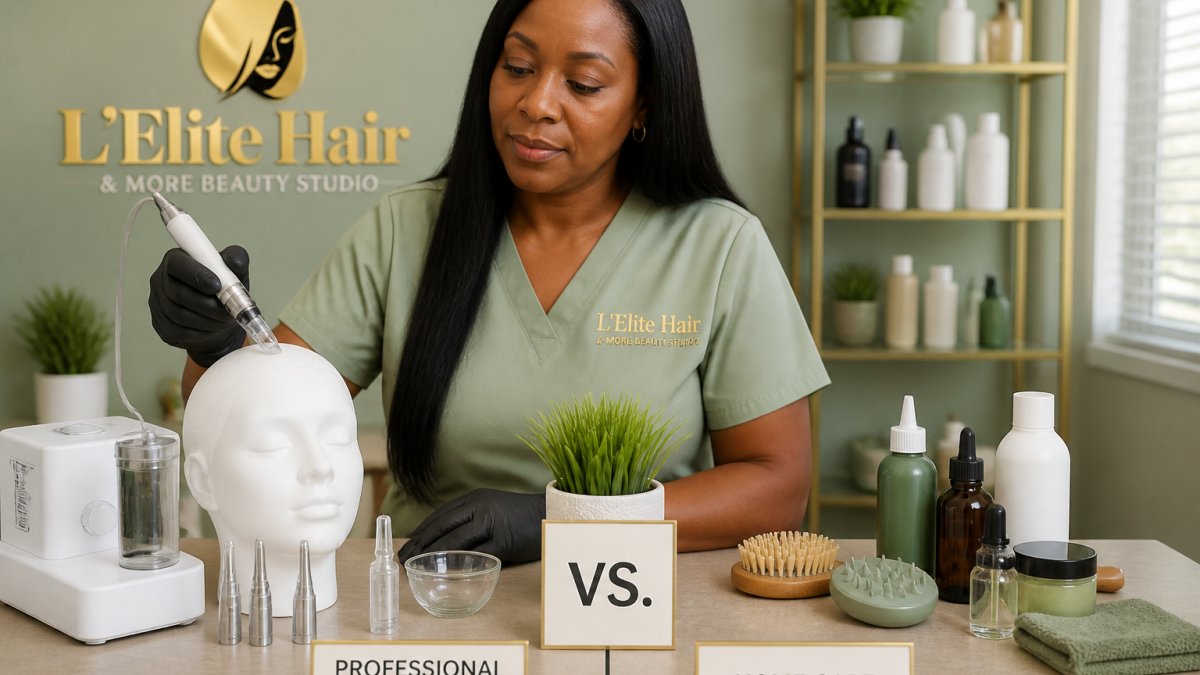
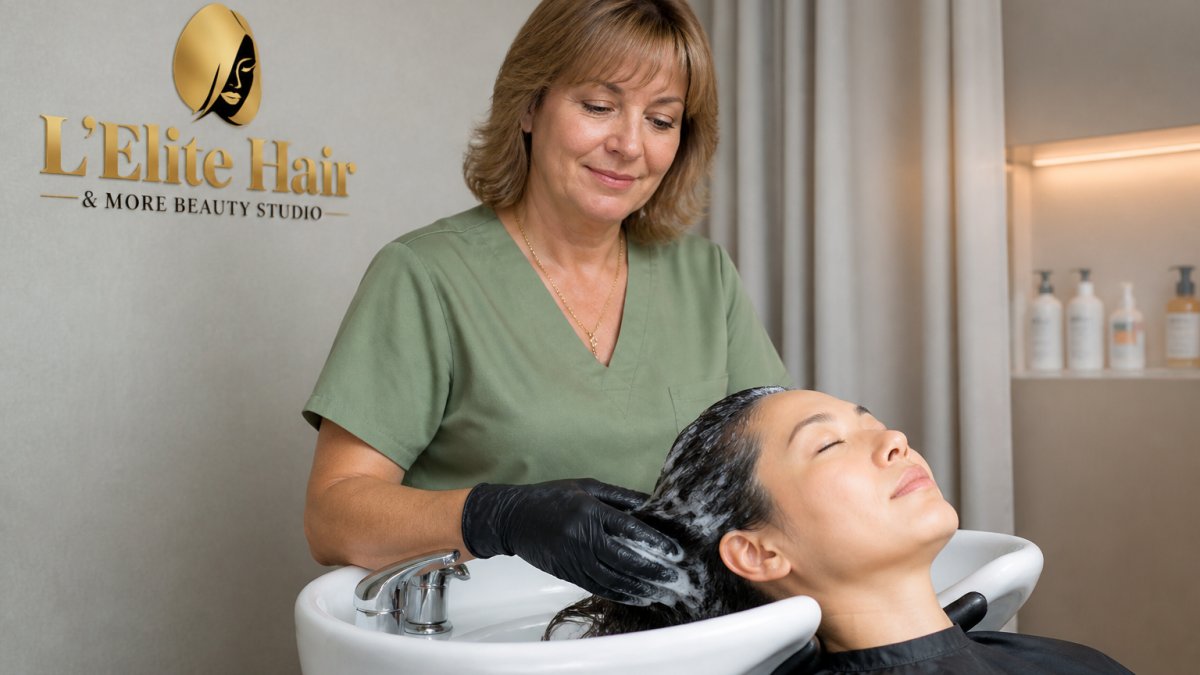
1. Warm-water saturation and steam. Treatment begins with thorough warm-water saturation, sometimes with steam, softening the sebum-and-dead-skin layer so it can be lifted rather than scrubbed off.
2. Controlled mechanical exfoliation. Rather than grit or harsh scrubbing, professional scalp treatment uses fingertips, silicone scalp brushes, and controlled pressure to lift loosened flakes and residue around follicle openings, firm but even, cleansing without provoking inflammation.
3. Targeted cleansing agents. Many treatments use clarifying, scalp-friendly cleansers that address oil and residue without stripping the scalp.
4. Massage-driven dislodging and circulation. Precise massage moves sebum and residue away from the scalp surface while stimulating micro-circulation, supporting the scalp's natural environment and easing tightness and irritation.
5. Herbal and botanical rinses. Many studios finish with herbal or botanical treatments, sometimes customized, that support scalp detoxification and leave the scalp calm and balanced without harsh chemicals.
6. Complementary steps. Some studios add LED light therapy or a soothing mask as a finishing step, supportive, comfort-oriented additions, not cures, that work best within a consistent routine.
The process is thorough but gentle: professional scalp care uses controlled pressure and proper technique to cleanse without the inflammation aggressive scrubbing can cause.
After buildup is removed, many clients notice a fresher scalp, and sometimes improved hair texture and shine.
What to Expect During a Japanese Head Spa Treatment
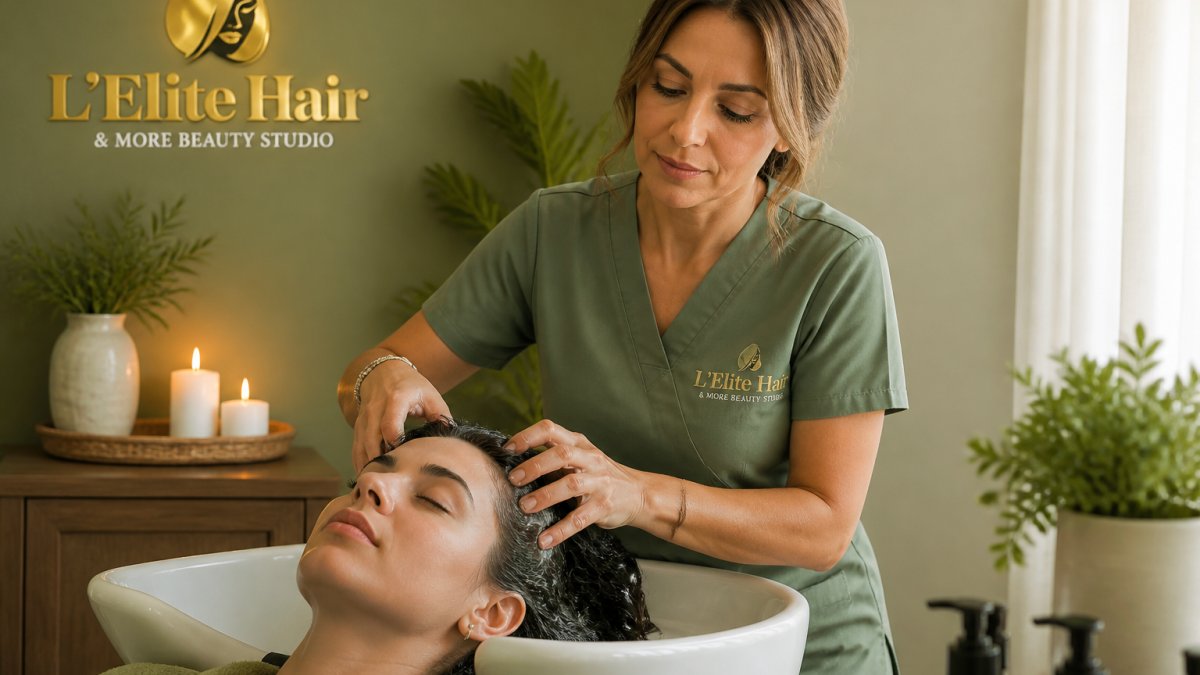
A typical Japanese head spa treatment lasts 30-60 minutes and follows a structured process designed for effectiveness and relaxation.
You'll lie back in a comfortable chair while the therapist begins with a scalp assessment, sometimes using magnification, to customize the treatment to your needs.
The treatment begins with warm water and gentle cleansing. The therapist applies specialized products, often herbal or botanical, and uses precise massage techniques across your scalp, releasing tension and dislodging buildup. Many clients find it deeply relaxing.
The massage phase typically includes your neck, shoulders, and upper back, since tension there can restrict blood flow to the scalp; this holistic approach supports circulation and stress relief.
After massage and cleansing, the therapist rinses thoroughly and may apply a treatment mask or herbal rinse, sometimes with LED light therapy, then finishes with a gentle dry and styling.
Most people leave relaxed, with a noticeably cleaner scalp. Slight sensitivity for a few hours afterward is normal as the scalp adjusts.
How Often to Get a Japanese Head Spa for Best Results
The best frequency depends on your scalp condition, lifestyle, and goals, there's no one-size-fits-all answer.
For chronic scalp itching and significant buildup, start with monthly treatments so your scalp can rebalance between sessions; after three to four months, many people shift to every 6-8 weeks for maintenance.
If your scalp is relatively healthy but you want to prevent buildup and maintain scalp wellness, quarterly treatments often work well, keeping residue from accumulating and supporting circulation.
Heavy styling products, a humid climate, or a naturally oily scalp may call for more frequent treatments; a dry or sensitive scalp usually does better with more spacing to prevent over-treatment.
Listen to your scalp: if itching returns before your next appointment, you may benefit from more frequent treatments; if it feels balanced, you can extend the interval.
At L'Elite Hair & More Beauty Studio, we recommend starting with a scalp wellness consultation so we can assess your scalp and suggest a frequency that matches your needs and goals.
When to See a Dermatologist Instead of a Head Spa
A Japanese head spa supports cosmetic scalp wellness, removing buildup, supporting circulation, and relieving stress-related tension. It is not a medical treatment and cannot diagnose or cure a scalp condition. Knowing where the cosmetic line ends and medical care begins keeps you safe and helps you spend wisely.
Cosmetic concerns a head spa can reasonably support:
- Product, silicone, and dry-shampoo residue
- Ordinary sebum and dead-skin buildup
- Scalp that feels tight, congested, or dull
- Mild, occasional flaking tied to dryness or product use
- Stress-related tension and general scalp comfort
Concerns that call for a dermatologist first:
- Sudden or unexplained hair loss, or shedding that comes out in clumps
- Severe itching that doesn't improve with professional scalp care
- Persistent flaking or scaling that covers large areas
- Redness that doesn't fade, or patches that spread
- Open sores, cuts, or signs of infection
- Signs of ringworm or another fungal infection, such as circular bald patches with broken hairs
- Painful bumps, crusting, or oozing
- Scalp symptoms that started after a new medication, chemotherapy, or radiation
Those signs can point to seborrheic dermatitis, psoriasis, folliculitis, fungal infections, or other scalp disorders needing medical diagnosis and specific treatment. A head spa cannot substitute for that evaluation, and masking symptoms can delay the care that helps.
Contraindications: when to postpone a head spa. Even for cosmetic buildup, a professional practitioner should pause or decline treatment when the scalp shows:
- Open sores, active wounds, or a fresh infection
- Severe, actively inflamed psoriasis or eczema flare-ups
- A suspected or confirmed fungal infection, which can spread through shared tools and contact
- Recent chemical burns, sunburn, or a reaction to a hair or scalp product
- Recent scalp surgery or procedures still healing
A responsible practitioner assesses the scalp first, often with magnification or microscopy, and refers you out when something falls outside cosmetic scalp care, a sign of good practice, not a refusal to help.
How the two can work together. Many clients get medical evaluation first, then add scalp wellness treatments like a Japanese head spa as supportive, complementary care once a dermatologist clears them or a condition is under control. If you use a prescription shampoo or topical treatment, tell your practitioner so the plan can be adjusted around it.
At L'Elite Hair & More Beauty Studio, a scalp wellness consultation and microscopy scalp analysis help identify whether your concern is cosmetic buildup or something a healthcare professional should evaluate. When a concern falls outside cosmetology or trichology, we'll say so and point you to the right next step.
Is a Japanese Head Spa Worth the Investment?
The answer depends on what you're trying to solve and how you value scalp health.
If chronic scalp itching and buildup haven't improved with at-home products, a professional Japanese head spa can offer a different approach to scalp wellness.
For long-term scalp health and prevention, the value is maintenance, similar to professional dental cleaning, which addresses buildup your toothbrush can't reach.
The investment also includes education: a scalp wellness consultation helps you understand what's actually happening on your scalp, so you make better choices about products, styling, and home care between treatments.
Many clients find that after a few professional treatments, scalp health improves enough to extend time between appointments, supporting long-term scalp balance.
Consider your specific situation: How long has the itching or buildup persisted? How much have you already spent on products that didn't work? How much would relief from chronic itching improve your quality of life? For many people, the answer makes a Japanese head spa a worthwhile investment.
When chronic scalp itching and buildup persist despite your best efforts at home, professional scalp wellness support becomes valuable. A Japanese head spa addresses the root cause, buildup and poor circulation, rather than just masking symptoms.
L'Elite Hair & More Beauty Studio specializes in personalized scalp analysis and professional treatments, including Japanese head spa, deep scalp detox, and customized herbal scalp treatments. Our approach combines professional expertise with education, so you understand what's happening on your scalp and how to support its health between appointments. Schedule a scalp wellness consultation to explore which treatments would best support your specific scalp condition and hair goals. Call us or book through our scheduling system to get started.
Frequently Asked Questions
Can a Japanese head spa actually help with chronic scalp itching and buildup?
A Japanese head spa addresses scalp itching and buildup through professional deep cleansing and micro-circulation stimulation. The treatment removes dead skin cells, product residue, and sebum buildup that contribute to irritation. While it supports scalp wellness and helps maintain a healthy scalp environment, results vary based on the underlying cause of your itching. If itching persists after treatment or stems from a dermatological condition like psoriasis or eczema, consult a dermatologist to rule out medical issues requiring specialized care.
How often should you get a Japanese head spa treatment for scalp itching?
Frequency depends on your scalp condition and lifestyle. For chronic itching and buildup, many people benefit from treatments every 2-4 weeks initially, then monthly for maintenance. However, the right schedule is personal. A professional scalp wellness consultation helps determine what your scalp needs. Factors like product use, stress levels, and whether you're addressing buildup or inflammation all influence how often treatment supports your scalp health.
What happens if I have a sensitive scalp or have had bad reactions to products before?
Professional scalp treatment providers perform a scalp analysis before treatment to assess sensitivity and identify potential concerns. A thorough consultation allows you to discuss your history of reactions and any current sensitivities. Many practitioners offer customized herbal treatments and can adjust water temperature and pressure to suit sensitive scalps. Always inform your provider about past reactions so they can recommend approaches that support your scalp wellness without causing irritation.
Should I see a dermatologist for chronic scalp itching instead of getting a head spa?
If your scalp itching is sudden, severe, accompanied by visible scaling or lesions, or hasn't improved with general scalp care, see a dermatologist first. They can diagnose conditions like psoriasis, seborrheic dermatitis, or fungal infections that require medical treatment. A Japanese head spa supports scalp wellness for buildup and general irritation, but it's not a substitute for medical diagnosis. Many people benefit from both: dermatological care for the underlying condition and professional scalp treatment for maintenance and relaxation.